
The five diaphragms and their role in voice
Many people have heard that the respiratory diaphragm (the diaphragm we use for breathing) is important for efficient voice production. This is true – healthy voice depends on coordinated breathing and airflow.
What is less commonly discussed is that the body does not rely on just one diaphragm.
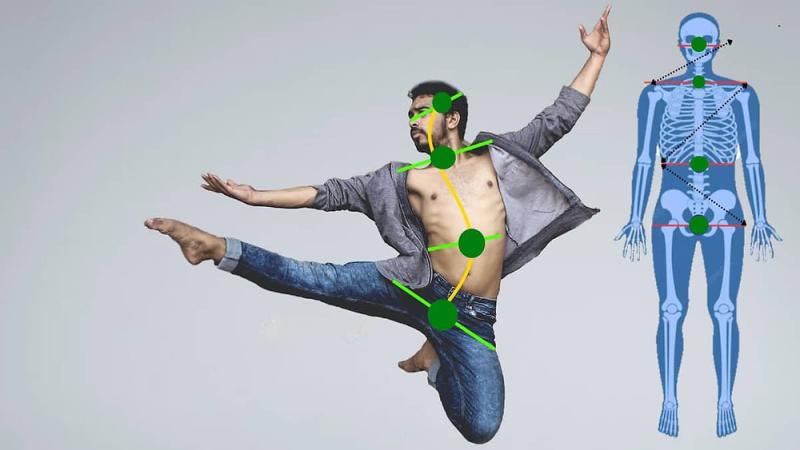
In fact, there are five recognised diaphragms in the body. These diaphragms are connected through fascia, posture, pressure systems, and the nervous system. Together, they influence how the body manages support, tension, and coordination – all of which are essential for voice.
When voice symptoms are persistent, fluctuate throughout the day, or do not respond fully to traditional voice therapy, it is often because one or more of these diaphragms is not functioning optimally.
What do we mean by a diaphragm?
In this context, a diaphragm is not just a muscle. It is a functional structure that helps to:
- separate regions of the body
- regulate pressure and load
- coordinate movement between areas
- support efficient transfer of force and information
Voice production depends on this system working as a whole. When pressure, support, or coordination is reduced at one level, other areas — often the throat, jaw, or neck — may compensate.
The five diaphragms explained
The pelvic floor diaphragm
The pelvic floor forms the base of the body’s pressure system. It plays an important role in postural support, pressure regulation, and coordination with breathing.
In healthy breathing and voicing, the pelvic floor and respiratory diaphragm move together in a coordinated rhythm. When the pelvic floor is overly tense, poorly timed, weak, or fatigued, pressure is often managed less efficiently through the trunk. This can result in pressure being pushed upwards through the chest, neck, and throat.
For voice, this may contribute to a sense of pushing or forcing sound, reduced vocal endurance, or voice that deteriorates with fatigue or stress.
The thoracic (respiratory) diaphragm
The thoracic diaphragm sits between the chest and abdominal cavities and drives breathing. It helps regulate airflow and the pressure beneath the vocal folds that allows sound to be produced efficiently.
When this diaphragm is restricted – due to posture, pain, bracing, connective tissue differences, fatigue, or autonomic dysfunction – the larynx often compensates by working harder. This can lead to voice strain or fatigue even when the vocal folds themselves appear structurally normal.
The thoracic outlet diaphragm
The thoracic outlet is the region at the top of the rib cage, bordered by the first ribs, clavicles, and upper thoracic spine. It is a key transition zone between the trunk and the neck.
This region helps transmit force and coordinate movement between the body and the head. Restriction or overload here is common in people with forward head posture, shoulder tension, hypermobility, or fatigue.
When the thoracic outlet is stiff or poorly supported, load is often transferred to the neck and throat, affecting breath–voice coordination and contributing to voice tightness or instability.
The tongue (oral) diaphragm
The tongue is often overlooked in discussions about breathing and voice, yet it functions as a true diaphragm within the body’s pressure and coordination system. It forms the floor of the oral cavity and sits at a critical crossroads between breathing, swallowing, articulation, resonance, and laryngeal movement.
Anatomically, the tongue is suspended from the hyoid bone and connected through multiple muscle groups to the jaw, pharynx, cervical spine, and larynx. Through these connections, it plays a key role in shaping the upper airway, modulating resonance, and supporting fine motor control of voice.
Functionally, the tongue diaphragm helps to modulate oral and pharyngeal pressure, adapt the vocal tract for efficient resonance, coordinate with breathing during speech and voicing, and stabilise the larynx without excessive muscular effort.
When the tongue is able to move freely and adaptively, it supports efficient voice production with minimal strain. When tongue function is disrupted – through excess tension, reduced endurance, altered sensory feedback, postural compensation, or connective tissue differences – the voice often bears the load.
This can present as throat or neck tension during speaking, reduced vocal clarity, unstable pitch or resonance, early vocal fatigue, or a sense of holding or bracing in the mouth or throat. Importantly, these changes can occur even when the vocal folds themselves appear normal on examination.
The tongue diaphragm is also highly sensitive to nervous system state. Stress, pain, fatigue, or autonomic dysregulation can alter tongue tone and coordination, which in turn affects how the larynx is supported during voice use.
The tentorium cerebelli (cranial diaphragm)
The tentorium cerebelli is a dural structure within the skull that separates the cerebrum and cerebellum. It influences head and neck alignment, neural tension, and sensory integration.
Because voice is a sensorimotor behaviour, changes in head position, neck tone, or nervous system regulation can affect vocal control and endurance. For some people, particularly those with concussion history, chronic pain, or autonomic dysfunction, this diaphragm plays a meaningful role in voice stability.
What this means for voice treatment
If voice is supported by a coordinated system of diaphragms, then effective voice therapy cannot always focus on the throat alone.
For some people – particularly those with persistent, fluctuating, or fatigue-related voice difficulties – treatment may involve working with foundational systems that support breath and pressure management, such as the pelvic floor and respiratory diaphragm.
When coordination between the pelvic floor and breathing system is improved, pressure can be distributed more efficiently through the body. This often reduces the need for compensatory effort in the neck, jaw, tongue, and larynx, allowing the voice to function with less strain and greater endurance.
This does not mean that voice therapy becomes pelvic floor therapy. Rather, it reflects an integrated approach that recognises how voice depends on whole-body coordination. For many people, especially those with complex medical or connective tissue conditions, addressing these foundations is essential for sustainable voice change.
If you would like to explore this connection further, the Swallow Your Pride podcast has an excellent episode discussing the relationship between the pelvic floor and voice:
References
Bordoni, B., & Zanier, E. (2013). Anatomic connections of the diaphragm: Influence of respiration on the body system. Journal of Multidisciplinary Healthcare, 6, 281–291. https://doi.org/10.2147/JMDH.S45443
Bordoni, B., Marelli, F., Morabito, B., & Sacconi, B. (2016). The five diaphragms in osteopathic manipulative medicine: Myofascial relationships and clinical considerations. Journal of Multidisciplinary Healthcare, 9, 287–296. https://doi.org/10.2147/JMDH.S113382
Bordoni, B., & Simonelli, M. (2019). The diaphragm: Anatomy, physiology, and function. Journal of Multidisciplinary Healthcare, 12, 373–379. https://doi.org/10.2147/JMDH.S196838
Chaitow, L., Bradley, D., & Gilbert, C. (2014). Recognizing and treating breathing disorders (2nd ed.). Elsevier.
Myers, T. W. (2020). Anatomy trains: Myofascial meridians for manual and movement therapists (4th ed.). Elsevier.
Sohn, S., & Michaelis, A. (2023). The voice–pelvic floor connection (Episode 281) [Audio podcast episode]. In Swallow Your Pride. https://swallowyourpridepodcast.com/281-the-voice-pelvic-floor-connection-sara-sohn-dpt-pt-wcs-and-ashley-michaelis-ms-ccc-slp/
Stecco, C., Schleip, R., Yucesoy, C. A., & Huijing, P. A. (2014). Fascial components of the myofascial force transmission system. Journal of Bodywork and Movement Therapies, 18(4), 449–458. https://doi.org/10.1016/j.jbmt.2014.04.001