Professional supervision
Medical Speech Pathology offers professional supervision for Speech Pathologists seeking to develop advanced clinical skills in adult practice, as well as non-clinical capabilities including leadership, career progression, supervision skills, and service development.
Our team comprises only experienced, hospital-trained Speech Pathologists with backgrounds across acute, subacute, rehabilitation, and community settings. Medical Speech Pathology clinicians have extensive experience supervising Speech Pathology students, early-career clinicians, and experienced practitioners working in complex caseloads.
We are passionate about sharing knowledge that supports high-quality, ethical, and evidence-informed practice, particularly in medically complex and under-served adult populations.
Our supervision philosophy
Supervision at Medical Speech Pathology is grounded in an integrative Speech Pathology framework, recognising that communication, voice, and swallowing rarely exist in isolation from broader medical, physiological, and psychosocial factors.
Key areas of focus may include:
- Integrative Speech Pathology approaches for complex and multi-system presentations
- Dysphagia management using objective and instrumental measures
- Advanced clinical reasoning in adult neurogenic and progressive conditions
- Functional and biopsychosocial influences on communication and swallowing
- Niche and emerging areas of adult practice, including FND, EDS, autonomic dysfunction, chronic illness, and medically unexplained symptoms
- Translating research and evidence into real-world clinical decision-making
- Developing confidence working with diagnostic uncertainty and complexity
- Professional identity, scope, boundaries, and sustainability in advanced practice
- Clinical skill development, reflective practice, case formulation, documentation and reporting, medicolegal reasoning, or professional growth goals.
Supervision with Stacey
Stacey is a highly skilled and thoughtful Speech Pathologist with a strong focus on adult neurological and complex caseloads. Her experience spans hospital, aged care, and community settings, with a particular strength in the adult community space, where she is continually reimagining what high-quality, person-centred care can look like outside traditional models.
Stacey has a special interest in acquired brain injury, progressive neurological conditions, and dementia, and is actively undertaking advanced professional development in dementia care. She is a strong advocate for early, proactive intervention, shifting away from reactive models toward approaches that prioritise education, empowerment, and long-term quality of life.
Her clinical strengths include:
• Aphasia and cognitive-communication disorders
• Apraxia of speech and motor speech disorders
• Dysphagia and complex swallowing presentations
• Dementia and progressive neurological conditions
• Traumatic brain injury rehabilitation
• Functional communication and participation-focused intervention
• Capacity building for support workers and families
• Communication partner training
• Palliative and end-of-life communication support
• Clinical reasoning in complex community-based practice
• Goal setting and person-centred intervention planning
• Interdisciplinary collaboration and care coordination
Stacey is recognised for her ability to think creatively and approach challenges from multiple perspectives, integrating knowledge across disciplines to deliver holistic, evidence-based care. She communicates her clinical reasoning with clarity and precision, making her a highly valued mentor, educator, and supervisor.
Stacey is currently further developing her skills in counselling and psychotherapy, reflecting her commitment to understanding the whole person, not just the diagnosis, and to supporting both clients and clinicians in navigating complex emotional and psychosocial landscapes.
Supervision with Stacey
Stacey offers a highly specialised supervision experience for Speech Pathologists working in, or transitioning into, adult and community-based practice, particularly those supporting people with complex and progressive conditions.
Her supervision style is:
• Collaborative and strengths-based
• Grounded in clinical reasoning and real-world application
• Focused on building confidence, independence, and depth of thinking
• Supportive of both clinical and professional development
• Reflective, practical, and tailored to individual learning goals
Supervision with Stacey is particularly valuable for clinicians wanting to:
• Build confidence managing complex adult caseloads
• Develop skills in community-based service delivery
• Strengthen clinical reasoning in dysphagia, communication, and cognitive-communication disorders
• Navigate family dynamics, palliative contexts, and long-term care planning
• Deepen understanding of progressive neurological conditions and dementia
• Develop confidence working independently while maintaining high-quality clinical standards
• Translate evidence into meaningful real-world practice
Supervision with Melissa
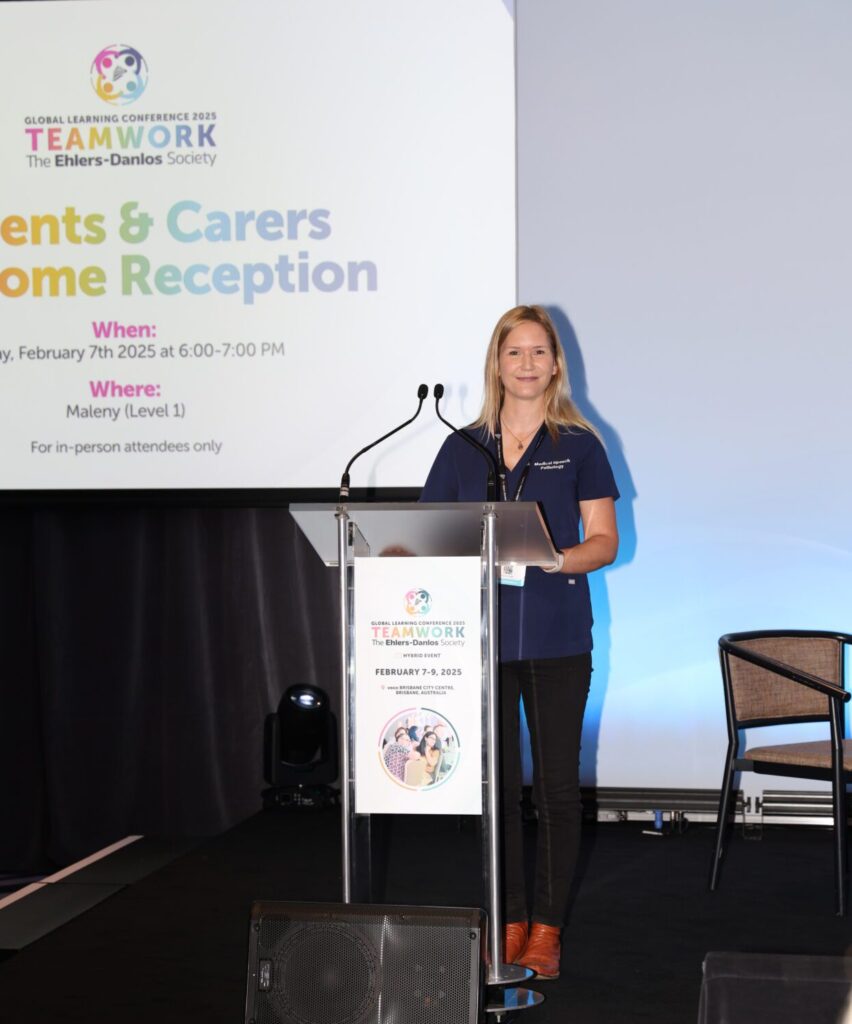
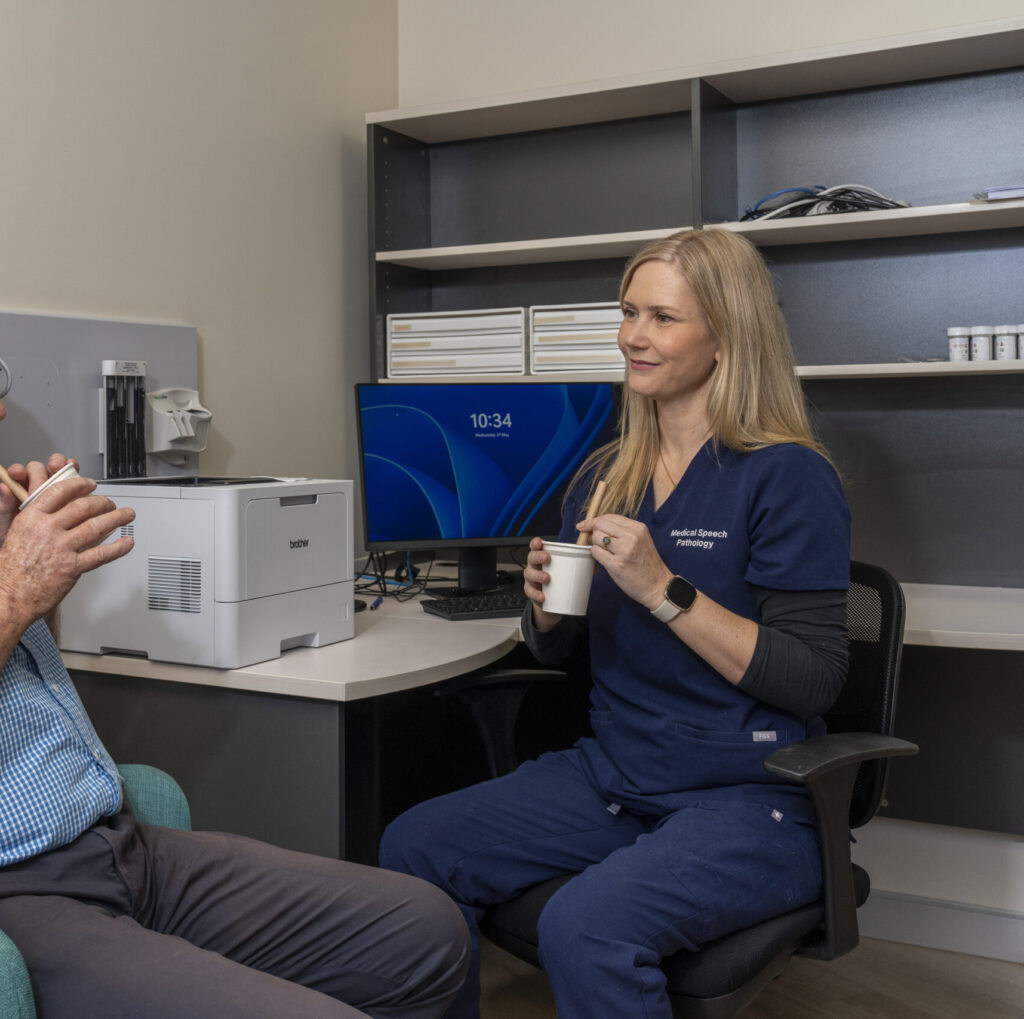
Melissa is one of a small number of Speech Pathologists internationally with a dedicated clinical focus on Ehlers-Danlos Syndrome (EDS), Hypermobility Spectrum Disorders (HSD), and associated multisystem conditions, including Postural Orthostatic Tachycardia Syndrome (POTS), Mast Cell Activation Syndrome (MCAS), dysautonomia, chronic fatigue, chronic pain, and Functional Neurological Disorder (FND).
Approximately 80% of Melissa’s current clinical caseload consists of individuals with EDS and related conditions, providing her with extensive experience supporting clients with the complex and often overlapping communication, swallowing, voice, breathing, cognitive, and upper aerodigestive tract presentations that can occur within this population.
Melissa is particularly passionate about advancing understanding of the lesser-recognised Speech Pathology manifestations of EDS, including dysphagia, upper airway dysfunction, chronic cough, vocal fatigue, laryngeal hypersensitivity, breathing pattern disorders, temporomandibular dysfunction, tongue and orofacial dysfunction, cognitive-communication challenges, fatigue-related communication difficulties, and the impact of autonomic dysfunction on communication and swallowing performance.
Alongside her clinical work, Melissa is actively involved in research, education, and international collaboration within the EDS community. She is a member of the Ehlers-Danlos Society’s International ENT Consortium and contributes to international projects exploring the upper aerodigestive manifestations of EDS. She participates in an international Speech Pathology interest group focused on advancing awareness, research, and clinical practice within hypermobility disorders.
Melissa’s areas of expertise include:
• Dysphagia assessment and management in EDS and HSD
• Voice, upper airway, and laryngeal manifestations of EDS
• Orofacial myofunctional disorders and craniofacial considerations
• TMJ dysfunction, tongue posture, and oral function
• Breathing pattern disorders and dysfunctional breathing
• Autonomic dysfunction and its impact on communication and swallowing
• Functional Neurological Disorder
• Fatigue, pacing, and energy management strategies
• Cognitive-communication difficulties associated with complex chronic illness
• Interdisciplinary management of medically complex presentations
• Clinical reasoning in presentations involving significant diagnostic uncertainty or multisystem involvement
Supervision with Melissa
Melissa currently offers supervision for Speech Pathologists and other professionals working with clients who have Ehlers-Danlos Syndrome, Hypermobility Spectrum Disorders, and related comorbidities.
Her supervision is designed to support clinicians in developing confidence, clinical reasoning, and practical management strategies for presentations that are often under-recognised, poorly understood, or not traditionally covered within Speech Pathology training programs.
Supervision with Melissa may be particularly valuable for clinicians wanting to:
• Better understand the communication, swallowing, voice, and breathing manifestations of EDS
• Develop confidence working with POTS, MCAS, dysautonomia, chronic fatigue, and complex multisystem presentations
• Strengthen clinical reasoning in medically complex cases
• Explore integrative and interdisciplinary management approaches
• Navigate presentations involving diagnostic uncertainty or overlapping conditions
• Develop practical assessment and intervention strategies for clients with hypermobility disorders
• Stay informed about emerging research and international developments within this rapidly evolving area of practice
Melissa’s supervision style is collaborative, curious, and grounded in both clinical experience and emerging evidence. She encourages clinicians to think beyond traditional models of Speech Pathology practice, exploring the often-overlooked ways that hypermobility disorders can impact communication, swallowing, voice, breathing, cognition, and quality of life. Supervision places a strong emphasis on clinical reasoning, interdisciplinary thinking, and expanding what is possible for clients whose needs may not fit neatly within conventional diagnostic or therapeutic frameworks.